
Nagasaki Shippoku Cuisine
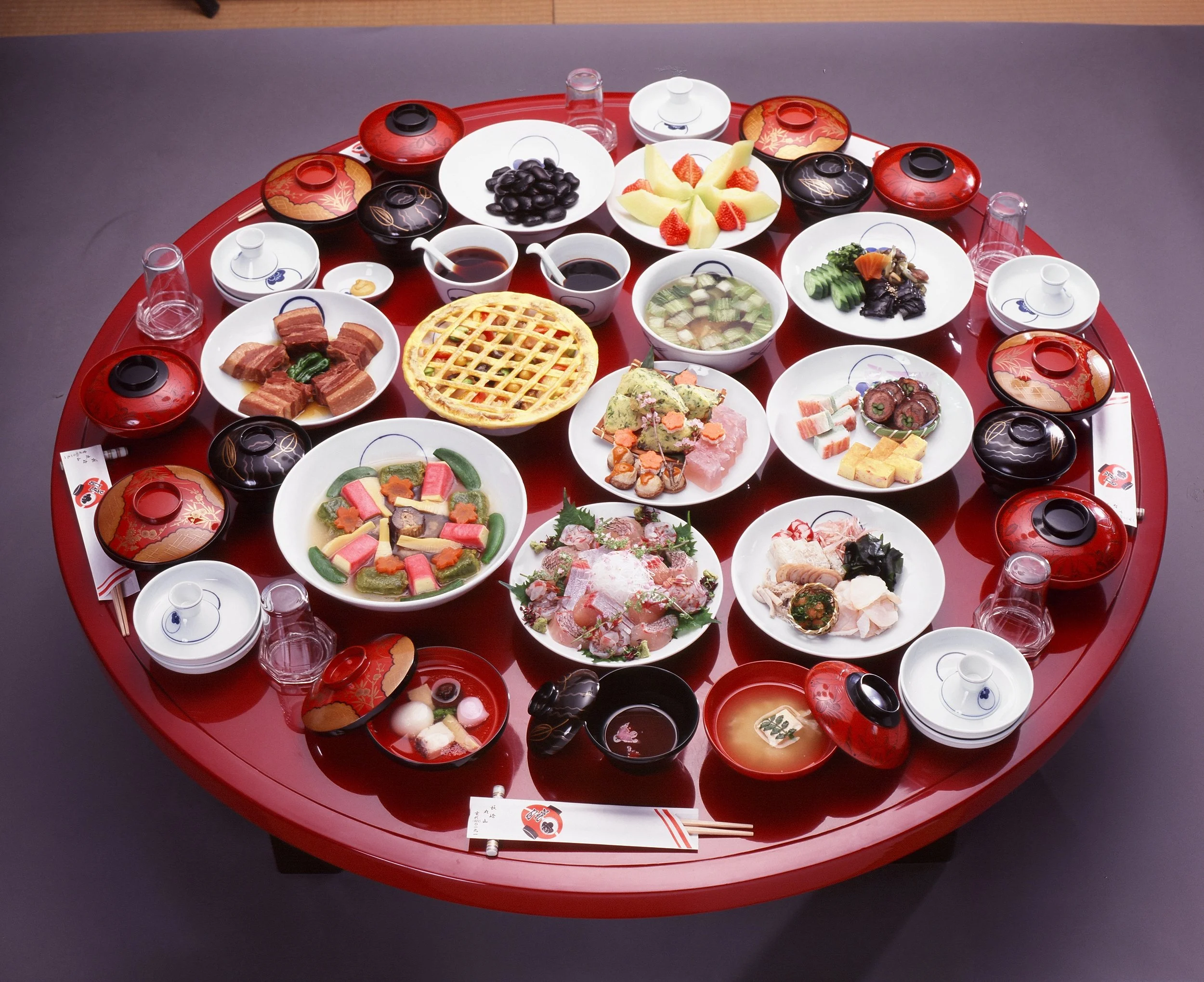
A Celebratory Feast Born at the Crossroads of Cultures
Shippoku cuisine, one of Nagasaki’s most iconic traditional culinary styles, is more than a local specialty — it is a dining experience that embodies the very history of Nagasaki itself. Beautifully arranged large platters are served on a grand round table, reflecting a unique fusion of Japanese, Chinese, and Western influences. Behind this distinctive style lies the story of Nagasaki as a historic international port city.
Why Did It Emerge in Nagasaki?
During the Edo period (1603–1868), Japan adopted a policy that strictly limited foreign contact for more than 200 years. This policy, commonly known as sakoku (national seclusion), largely prohibited foreign trade and travel to maintain domestic stability. At the time, Japan was cautious of the spread of Christianity and the influence of foreign powers, choosing to minimize international interaction. However, one exceptional port was allowed to maintain limited foreign trade — Nagasaki. Through Dejima, Nagasaki continued trading with the Dutch and maintained commercial relations with China (the Qing dynasty).
In an era when Japan was largely “closed,” Nagasaki remained connected to the world. This unique historical background gave rise to Shippoku cuisine—a harmonious blend of Japanese culinary traditions, Chinese techniques, and Western influences. Through trade and cultural exchange, Nagasaki naturally absorbed:
Chinese cooking techniques
Western culture was introduced via the Dutch
Traditional Japanese cuisine
From this cultural fusion emerged what is often called Wakaran culture — a blend of Wa (Japan), Ka (China), and Ran (Holland) — symbolized beautifully in Shippoku cuisine.
The Characteristics of Shippoku Cuisine ー Dining Around a Round Table
Unlike traditional kaiseki cuisine, which serves dishes individually, Shippoku cuisine presents large, shared platters arranged on a round table. Guests serve themselves from the shared dishes, a style influenced by Chinese banquet traditions. Seated around the same table, regardless of status or position, diners share not only food but also a sense of harmony and welcome. A Menu that Blends Japanese, Chinese, and Western Elements
Typical Shippoku dishes include:
Tōbarō (Braised Pork Belly): Tender, melt-in-your-mouth pork inspired by Chinese cuisine.
Hatoshi: Shrimp paste sandwiched between slices of bread and deep-fried — a symbolic example of East–West fusion.
Ohire (Sea Bream Soup): A clear sea bream broth traditionally served with the phrase, “Please enjoy the ohire,” marking the ceremonial beginning of the feast.
The meal unfolds in a carefully composed sequence, including dessert, creating a celebratory banquet.