

The Hidden Christians of Kyushu: A Story of Faith and Survival in Nagasaki
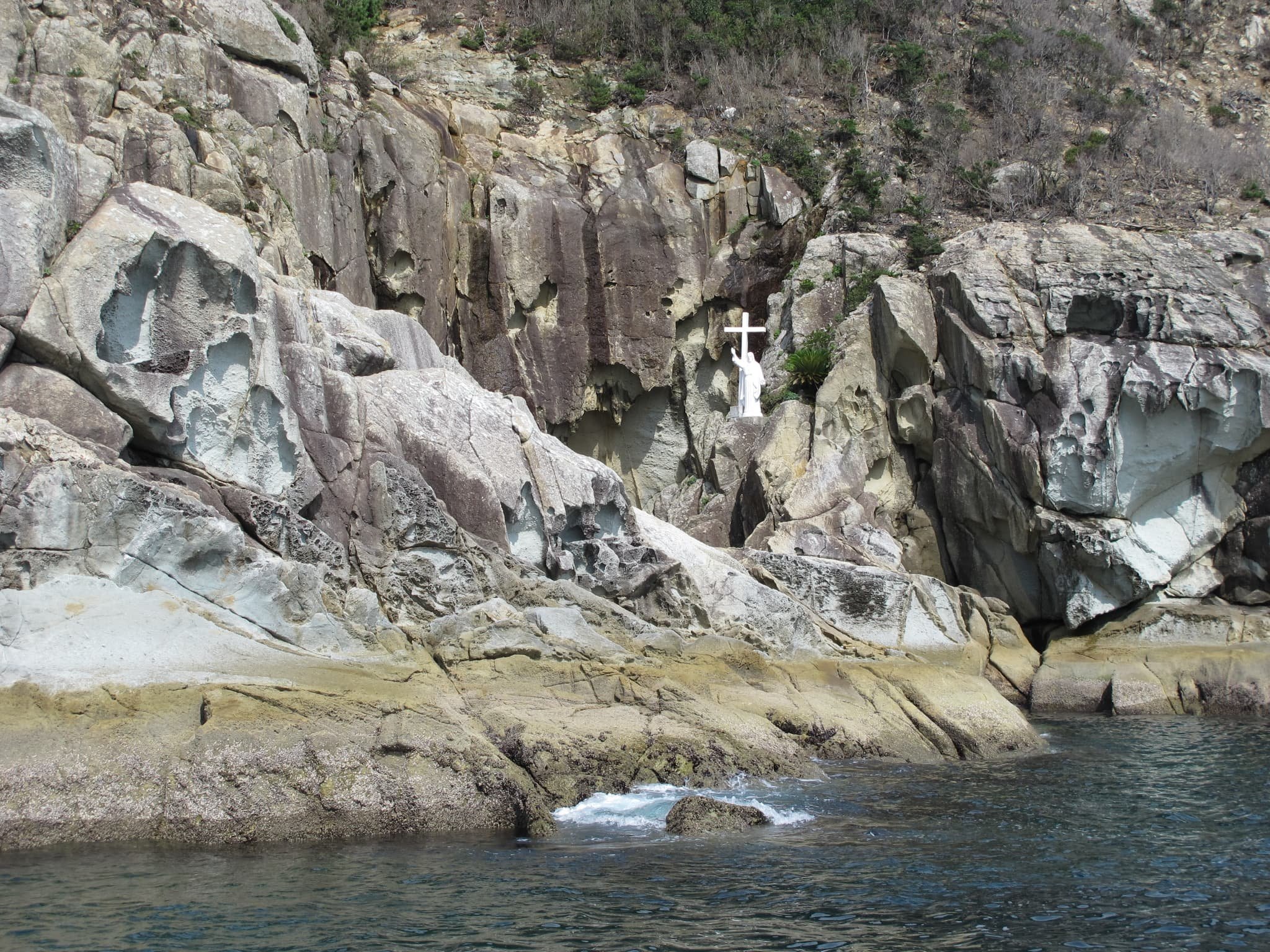
The Hidden Christians of Kyushu
A remarkable story of faith and resilience
In the quiet villages and coastal islands of Kyushu lies one of the most remarkable stories in Japanese history — the story of the Hidden Christians. For more than two centuries, Christian communities in parts of Kyushu practiced their faith in secret, preserving their beliefs through generations despite persecution and isolation. Today, the traces of this hidden history can still be found across the region, particularly in Nagasaki and the Goto Islands, where churches and small coastal communities quietly preserve the memory of this extraordinary past.
The Arrival of Christianity in Japan
Christianity first arrived in Japan in 1549, when the Jesuit missionary Francis Xavier landed in Kagoshima. The religion spread rapidly across Kyushu, especially in Nagasaki, which soon became one of the most important centers of Christianity in East Asia. At its height, hundreds of thousands of Japanese had converted. However, the rapid spread of Christianity began to concern the ruling authorities. By the early 17th century, the Tokugawa shogunate banned Christianity completely. Missionaries were expelled, churches were destroyed, and believers were forced to renounce their faith.
Faith in Secret
Those who refused to abandon their beliefs began practicing Christianity in secret. These communities became known as the Kakure Kirishitan, or Hidden Christians. Without priests or churches, they developed unique ways to preserve their faith:
prayers passed down orally
religious images disguised as Buddhist figures
sacred rituals practiced quietly within families
For more than 250 years, these traditions were preserved in remote villages and islands.
Nagasaki and the Goto Islands
The rugged coastline and remote islands of western Kyushu provided refuge for many Hidden Christian communities. Some of the most important sites connected to this history include:
Oura Church in Nagasaki – the site where hidden Christians revealed themselves to missionaries in the 19th century
The Goto Islands – where many Christian communities lived in isolation
Kashiragashima Church – one of the most iconic churches in the region
Today, many of these locations are part of the UNESCO World Heritage Site: Hidden Christian Sites in the Nagasaki Region.
A Quiet Legacy
Unlike many historical landmarks, the story of the Hidden Christians is not told through grand monuments. Instead, it lives quietly within small villages, simple churches, and coastal landscapes. Traveling through these places reveals a deeper side of Japanese history — one shaped by resilience, faith, and cultural adaptation. For visitors seeking meaningful cultural experiences, the history of the Hidden Christians offers a profound glimpse into the complex story of Kyushu.
Discover Kyushu’s Hidden History
Exploring the Hidden Christian heritage of Kyushu allows travelers to connect with one of the most fascinating chapters in Japan’s past. From the historic churches of Nagasaki to the remote villages of the Goto Islands, this journey reveals a side of Japan that remains largely unknown to many travelers.