

A Guide to Kyushu Ramen by Prefecture
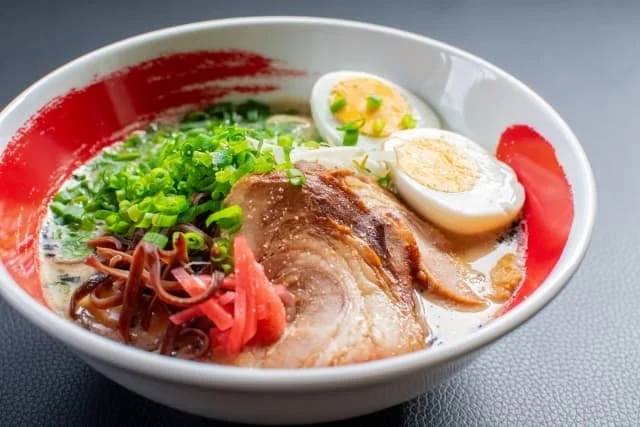
Japan is famous for ramen, but many travelers don’t realize that Kyushu is one of the true homes of ramen culture. From the rich tonkotsu broths of Fukuoka to the unique regional variations found across the island, Kyushu offers a remarkable diversity of ramen styles. Each prefecture has developed its own interpretation of this beloved dish, shaped by local ingredients, traditions, and history. Exploring Kyushu through ramen is not only a culinary journey but also a way to experience the culture of each region.
Fukuoka – The Birthplace of Tonkotsu Ramen
Fukuoka is widely known as the birthplace of Hakata ramen, one of Japan’s most famous ramen styles. The defining feature of Hakata ramen is its rich and creamy tonkotsu broth, made by boiling pork bones for many hours until the soup becomes milky and deeply flavorful. Another signature element is the thin, straight noodles, which cook quickly and pair perfectly with the thick broth. A unique custom in Hakata ramen shops is kaedama, where diners can order an extra serving of noodles to add to the remaining broth. For many ramen lovers, Fukuoka is considered the heart of Japan’s ramen culture.
Kumamoto – Ramen with Bold Garlic Flavor
Kumamoto ramen shares similarities with Fukuoka’s tonkotsu ramen, but it has a distinctive twist. The broth is often slightly thicker and richer, and one of the most notable features is mayu, a fragrant black garlic oil made from fried garlic. Kumamoto ramen also commonly includes crispy garlic chips, giving the dish a deeper, more aromatic flavor. The result is a bowl of ramen that feels both comforting and bold.
Kagoshima – A Lighter Tonkotsu Style
Kagoshima ramen offers a distinct take on tonkotsu ramen. Unlike the intense richness of Hakata ramen, Kagoshima ramen tends to have a lighter and more balanced broth, often made by combining pork bones with chicken and vegetables. The noodles are usually slightly thicker and softer. Many shops also serve ramen with pickled vegetables, reflecting local food traditions.
Nagasaki – A Unique Noodle Culture
Nagasaki’s noodle culture is unique within Kyushu. Rather than traditional ramen, the city is best known for Nagasaki champon, a noodle dish influenced by Chinese cuisine. Champon features thick noodles served in a rich pork-based broth with seafood, vegetables, and pork. The dish reflects Nagasaki’s long history as an international trading port where Japanese, Chinese, and Western cultures intersected. For visitors, experiencing champon is just as essential as tasting ramen elsewhere in Kyushu.
Saga – Rich Tonkotsu with Local Character
Saga ramen is closely related to the tonkotsu styles of neighboring Fukuoka, but it has its own personality. The broth is often rich and slightly thicker, and some shops serve ramen with a raw egg added directly into the bowl, creating an even smoother texture. Garlic is also frequently used, giving Saga ramen a strong and satisfying flavor.
Oita – A Blend of Regional Styles
Oita does not have one single defining ramen style, but many shops serve tonkotsu-based ramen influenced by Fukuoka. At the same time, some local variations include lighter broths and unique toppings. For ramen lovers, Oita offers an opportunity to discover smaller local shops with distinctive flavors.
Miyazaki – A Softer and Lighter Ramen
Miyazaki ramen tends to be lighter and more delicate compared with other Kyushu ramen styles. The broth is usually tonkotsu-based but less intense, and the noodles are often softer. This style reflects Miyazaki’s relaxed food culture and its emphasis on balanced flavors.
A Culinary Journey Through Kyushu
For ramen enthusiasts, Kyushu offers one of the most diverse ramen cultures in Japan. Each prefecture tells a different story through its ramen — from the creamy tonkotsu of Fukuoka to the garlic-rich bowls of Kumamoto and the international noodle traditions of Nagasaki. Traveling through Kyushu is not just about visiting beautiful landscapes and historic cities. It is also about discovering the unique flavors that define each region. For those who love ramen, Kyushu is truly a destination worth exploring.